
Best VPN for travel 2026

Traveling can be a thrill, but there’s always a data breach risk when connecting to the public Wi‑Fi at airports, hotels, and cafes. That’s why I never leave home without a VPN. It keeps my data safe from malicious agents and even lets me catch my favorite shows as if I’m back home.
A VPN masks your real location and encrypts your connection, which is ideal for privacy, streaming foreign content, or avoiding slow networks far from home. In this 2026 guide, I put the top VPNs to the test for speed, security, and reliability across global locations. Read on to find the best VPN for travel in 2026, so you can stay protected and connected wherever you roam.
My top picks for best travel VPNs in 2026
- NordVPN: the best VPN for travel, great for streaming and staying private abroad
- Surfshark: affordable travel VPN with reliable speeds and solid protection
- Proton VPN: great choice for privacy-minded travelers
- ExpressVPN: ultra-fast and user-friendly VPN ideal for travel
- Norton VPN: beginner-friendly VPN option for safe browsing on the go
In this article, you will find answers to all of these questions:
- How can a VPN keep me secure while traveling?
- What should I look for in a travel VPN to avoid connection issues?
- Which VPN offers the best mix of speed and security for frequent travelers?
- Is there a travel VPN that works well across all my devices?
Why should you use a VPN for travel
When travelling, using a VPN is just as important as packing your passport. From airport lounges to hotel rooms, public Wi-Fi is everywhere – and often unsecured. A good VPN keeps your connection encrypted, so you don’t have to worry about hackers or anyone snooping on your personal data while you check emails or log into your bank accounts.
Some websites, especially streaming platforms or online banking portals, can be blocked or restricted when accessed from abroad. With a VPN, you can set my location to my home country and use the internet like you never left. It also helps uncover better travel deals that may vary by region.
Simply put, a VPN gives users peace of mind and more freedom online. Once you’ve experienced the convenience and protection it offers while traveling, you won’t want to leave home without one.
Top 5 travel VPNs in 2026
All the VPNs in this list offer secure encryption, reliable connection speeds, and no-logs policies to keep your data private on the go. Whether you are hopping on hotel Wi‑Fi, streaming content from abroad, or using airport networks, these providers deliver stable apps across all major devices. Each VPN here is tested for travel readiness, including ease of use, global server access, and performance in different regions.
1. NordVPN – the best travel VPN for privacy and streaming
If you want a VPN that works reliably across the globe, NordVPN is the one I’d personally recommend. It blends top-tier speed, strong security, and a massive server network that makes travel a lot smoother. I’ve used it in multiple countries, and whether I was streaming from a hotel or securing my data on public Wi‑Fi, it delivered great performance every time.
With over 9,200 servers in 137 countries, NordVPN keeps connection speeds fast and stable. During tests, I saw minimal drops when connecting to nearby servers – something that’s crucial when you’re trying to browse or work while abroad. Even intercontinental connections held up well, with only modest slowdowns, and in some locations, performance even improved compared to my regular network.
Streaming with NordVPN was just as easy. I could access Netflix, Disney+, and local news sites without any trouble, which made it feel like I never left home. Setup is simple, and the apps are easy to use on any device – great when you’re switching between your laptop and phone on the go.
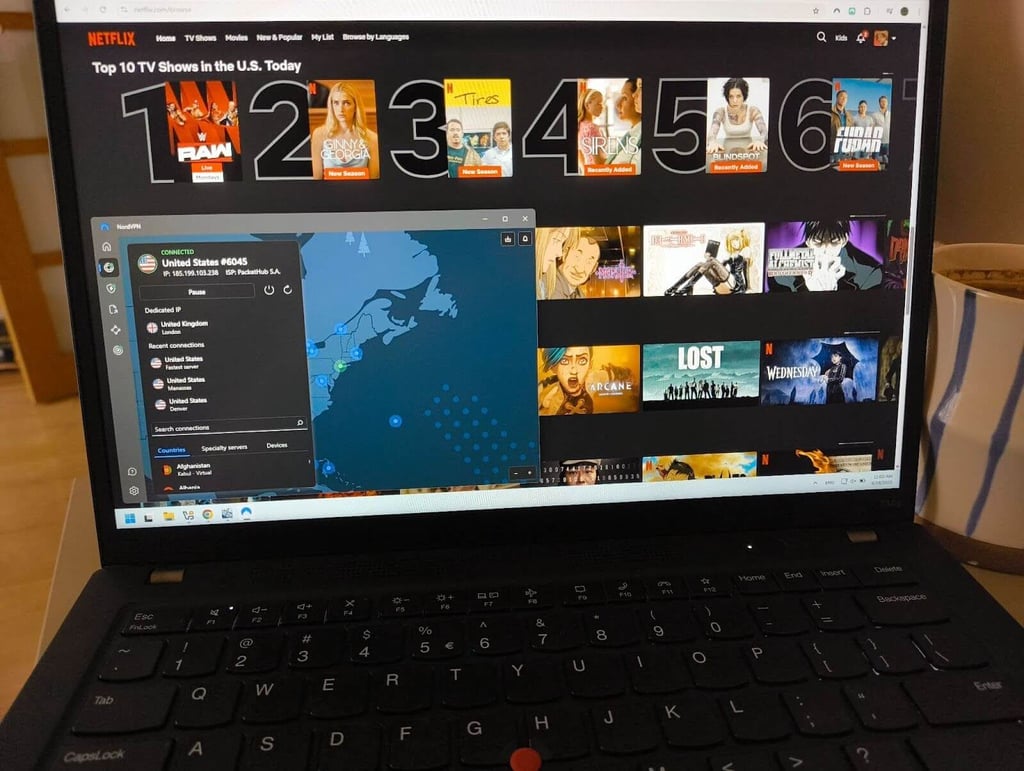
At $3.49/month for the Basic plan, it’s competitively priced for what you get. If you travel often, I’d suggest going with the Plus plan to unlock Threat Protection Pro and get NordPass password manager for added convenience and security.
Learn more about it in our NordVPN review.
2. Surfshark – budget-friendly premium VPN for travel
If you’d rather spend your travel budget on adventures than steep VPN prices, Surfshark deserves a spot on your shortlist. It’s the most affordable VPN in this lineup, yet delivers impressive speed, security, and versatility, making it a smart, value-driven choice for travelers.
When I tested the connection speeds, Surfshark held strong. On mid-range networks, I consistently retained about 88.5% of my baseline speed. The standout moment came when a Philippines-based tester saw an unexpected 42 Mbps speed boost when connecting to nearby servers. Even on long-haul connections, Surfshark maintained solid performance – around 68.6% of the original speed.
Surfshark also shines in privacy features. Alongside standard protections like a kill switch and leak blocking, it offers multi-hop routing, IP rotation, and a NoBorders mode for bypassing restrictive browsing environments. I was especially impressed that even the cheapest plan includes an Alternative ID feature to help mask personal details from identity theft.
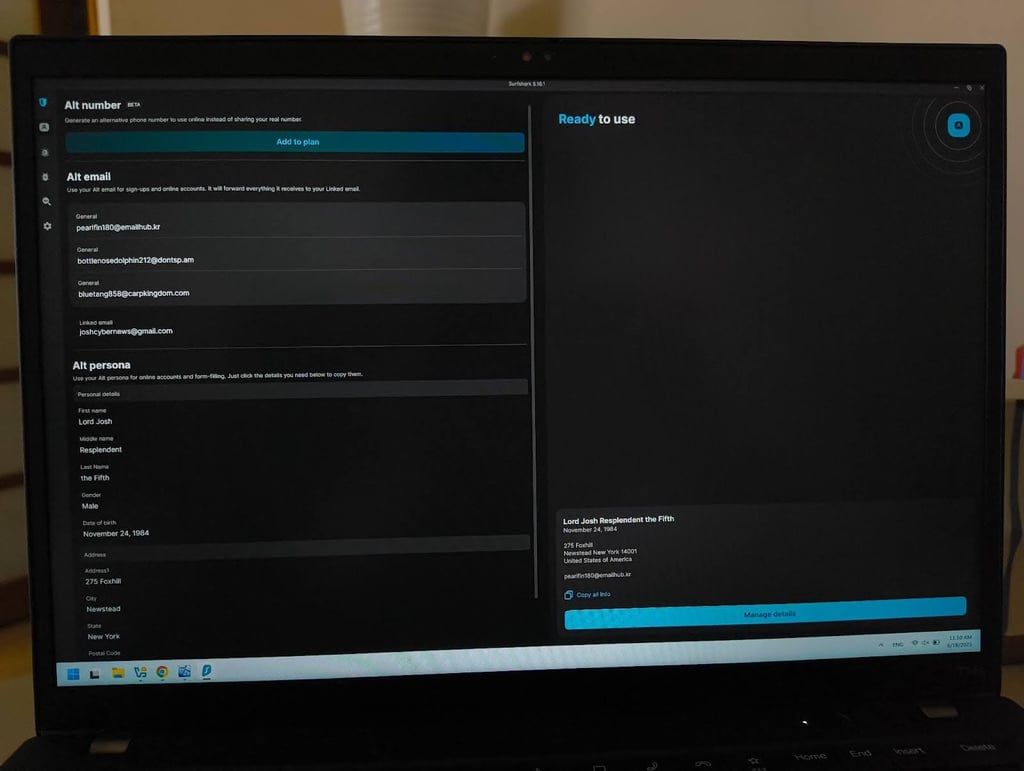
Streaming abroad with Surfshark was smooth and unobtrusive. It reliably unlocked services like HBO Max and Amazon Prime Video, so you can enjoy all your favorite shows no matter where you travel. With support for unlimited connected devices, everyone from solo travelers to families can stay protected on their own gadgets.
Surfshark’s Starter plan begins at just $1.99 per month, making it an excellent bargain. If you want even more protection, the One plan adds antivirus tools not commonly found in other travel VPNs. Overall, Surfshark offers an unbeatable mix of price, performance, and features for travelers on the go.
More information about it is available in our Surfshark review.
3. Proton VPN – privacy-oriented travel VPN
When privacy is your top concern while traveling, Proton VPN should be your top choice. Headquartered in privacy-conscious Switzerland, it offers powerful tools tailored for safeguarding your identity on the go. Its free tier is unique among travel VPNs – no data caps and strong privacy make it a rare risk-free option.
The premium version opens up Proton’s full global server list – more than 19,500 servers across 145 countries – plus specialty servers like Secure Core, P2P, and Tor over VPN. With this setup, browsing remains stable even when traveling far from home. In real-world tests, nearby connections held about 65% of baseline speed, while long-distance connections retained around 64%, which is impressive considering the enhanced routing.
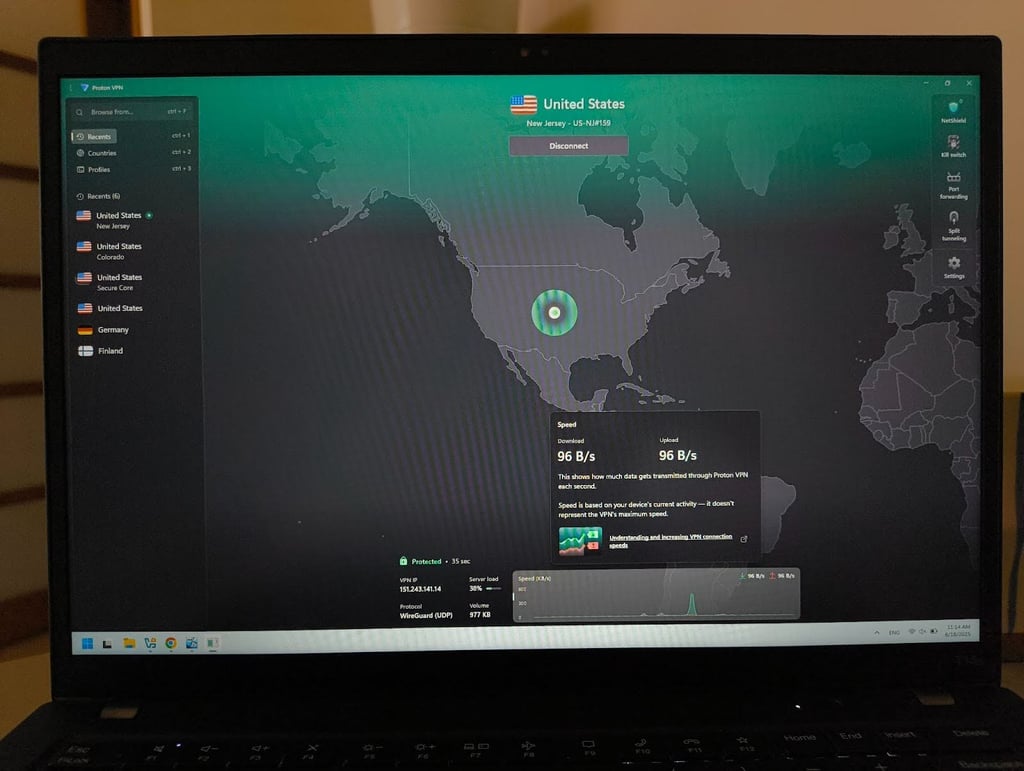
Proton VPN also spices up its feature set with extras like a kill switch, the built-in NetShield ad blocker, and port forwarding – options you won’t find with all travel VPNs. Despite a slightly higher price starting at $2.99 per month, the privacy protections and free tier make the cost worthwhile especially if you value anonymity.
All in all, Proton VPN excels for travelers who prioritize privacy and strong protection. Its expansive server reach, specialty configurations, and free plan give it a clear edge, especially for travelers seeking secure, private browsing while on the move. And if you want to learn more about Proton VPN, just read our detailed review.
4. ExpressVPN – fast VPN for travel
If you’re seeking a high-speed, security-forward VPN that covers all your travel needs in a single package, ExpressVPN stands out – even if it is the priciest option. Its base plan includes top-tier security tools like split tunneling, a kill switch, and DNS leak protection, without forcing you to upgrade. That makes it a no-nonsense choice when you want robust protection right out of the box.
When I used ExpressVPN during testing, connection speed and reliability impressed me, especially on nearby servers, where it retained about 68.4% of my baseline connection. Long-distance server performance dipped a bit, averaging around 51.8%, but this held steady on most routes. One hiccup happened during testing from the Philippines, where connecting to US servers caused a sharp drop in speed – from 300 Mbps down to under 1 Mbps. Still, overall the performance stayed dependable for most travel situations.
The interface is uncluttered and easy to use, though I found it a bit plain compared to other VPNs. ExpressVPN supports servers in over 105 countries, though they don’t publish total server count, making network scale hard to evaluate directly.
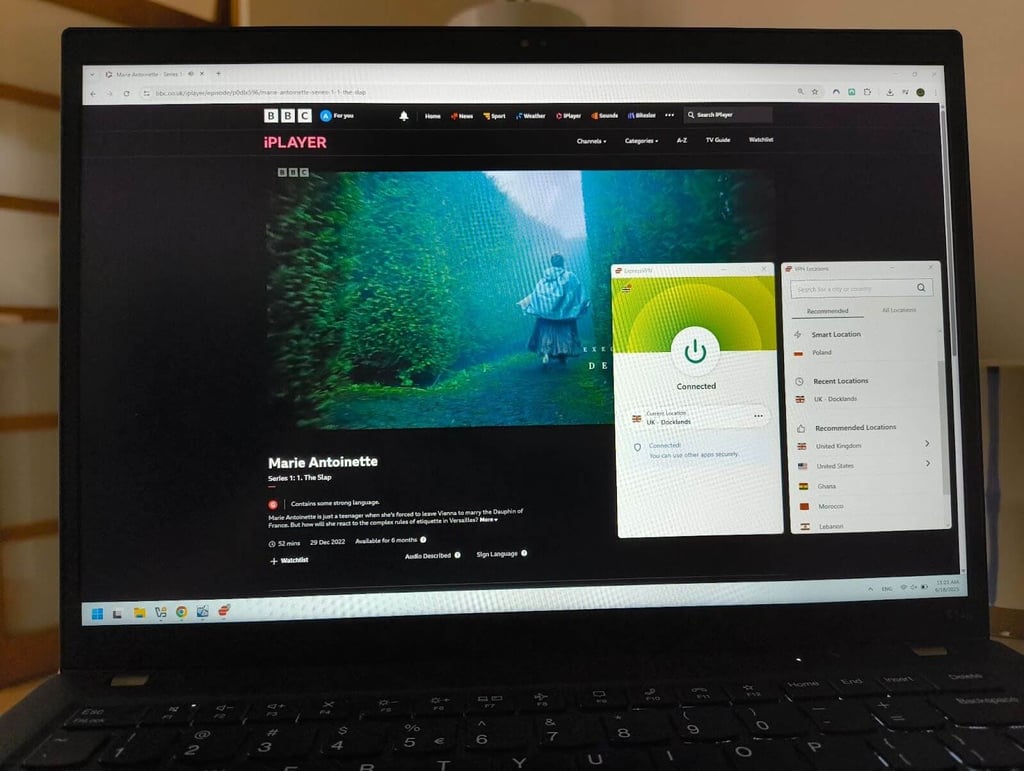
At $2.79 per month, ExpressVPN is undeniably an investment. But that price includes extras like a password manager, data removal tools, and identity theft insurance. These extras would often come with higher-tier plans elsewhere, so if you’d rather pay once and get everything, it might be worth the premium.
For frequent travelers who want minimal hassle, rock-solid security, and tools beyond just encryption, ExpressVPN makes a compelling choice, and you can find out more about it in a detailed ExpressVPN review.
5. Norton VPN – secure and user-friendly VPN for travel
If your travel style leans toward keeping things simple, Norton VPN might be the match for you. During my testing, I found it packs all the essentials, like a kill switch, ad-blocking, and split tunneling, without cluttering things with extras you’ll never use. This makes it a solid, low-maintenance option when you just want online safety without complexity.
That said, the app did feel a bit basic. Norton doesn’t share its exact server numbers, and it only covers around 65 countries. For locations like the Philippines or Macedonia, there simply wasn’t a local server available. Still, performance held up well in countries with coverage.
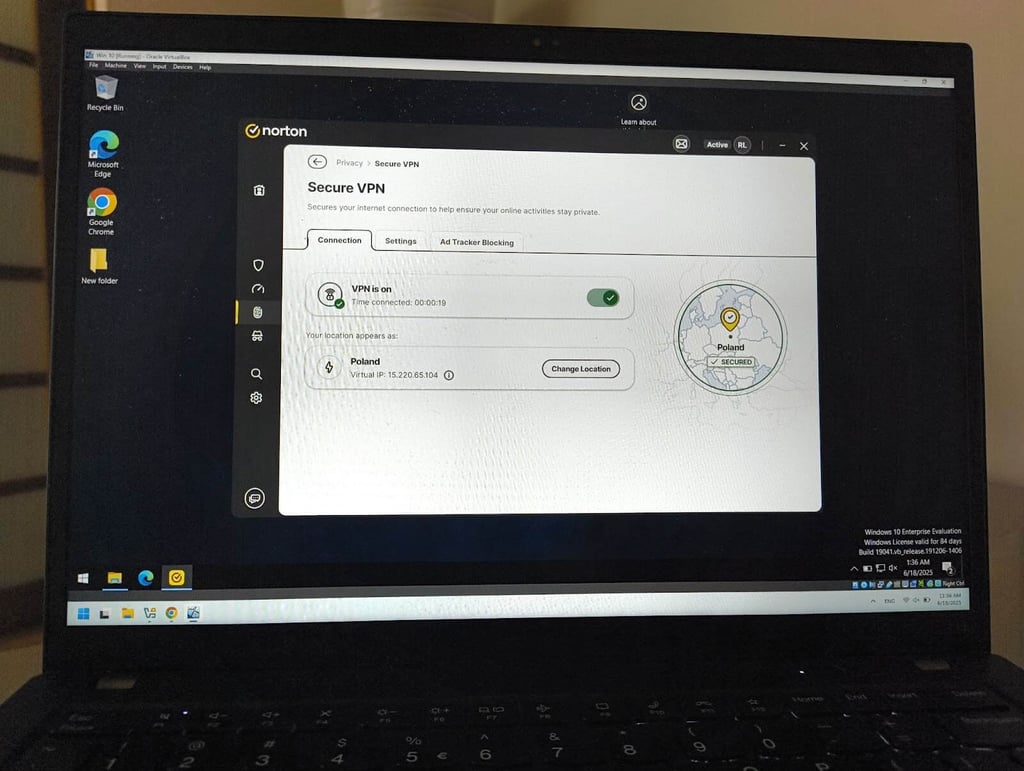
Norton’s entry-level plan is straightforward to use. It’s nice for keeping your phone, tablet, and laptop protected all at the same time. If you do want more, their Plus and Ultimate tiers bundle in features like antivirus, ransomware defense, and password management, though they come with a higher price tag.
Starting at around $3.33 per month, Norton falls between Proton VPN and NordVPN in terms of cost. While its global coverage and features could go further, Norton VPN still offers solid value for travelers who prefer simplicity and reliability.
Top travel VPNs compared
Below is a quick summary of the best VPNs for travel in 2026.
| Apple store rating | Simultaneous connections | Countries count | Starting price | 24/7 support | Money-back guarantee | |
| NordVPN | 4.7 | 10 | 137 | From $3.49/month | ✅ Yes | 30 days |
| Surfshark | 4.8 | Unlimited | 100 | From $1.99/month | ✅ Yes | 30 days |
| Proton VPN | 4.6 | 10 | 145 | From $2.99/month | ✅ Yes (paid plans) | 30 days |
| ExpressVPN | 4.7 | 14 | 105 | From $2.79/month | ✅ Yes | 30 days |
| Norton VPN | 4.4 | 10 | 65 | From $3.33/month | ✅ Yes | 30 days |
How to choose the best travel VPN
Not all VPNs are created equal, especially when it comes to travel. Before choosing one, I always think about where I’m going, what I’ll be doing online, and what kind of devices I’ll use. Here are a few key things I look for:
- Security essentials. Strong encryption, a no-logs policy, and a kill switch are must-haves to keep your data safe on public Wi-Fi.
- Server locations. Look for servers both near your destination for speed and back home to access region-locked content.
- Speed and reliability. Modern protocols like WireGuard help maintain smooth connections, even on hotel networks.
- Device support. A good travel VPN should work across your phone, laptop, and any other gear you take with you.
- Bonus tools. Features like ad blockers, split tunneling, or double VPN can really enhance your online experience abroad.
Where you can use a VPN
Most countries, including the United States, Canada, the UK, and many parts of Europe – allow you to use a VPN without any issues. It’s become a go-to tool for securing your connection or streaming content when traveling. That said, some places are trickier. Countries like China, Russia, Turkey, the UAE, India, Iran, and Egypt often only let you use government-approved VPNs. Others, such as North Korea, Belarus, Oman, Iraq, and Turkmenistan, ban VPNs entirely.
Before you travel, it’s worth checking local rules on VPN use to stay safe and compliant.
Latest VPN information for travel
VPN use while traveling can sometimes get complicated, especially as laws and technologies change quickly. So far in 2025, there have been some important updates that travelers should know about. For instance, the UK rolled out its Online Safety Act, which now requires certain websites and platforms to verify users’ ages. That makes it harder to browse anonymously while visiting the country.
In more restrictive regions, new laws are raising the stakes. Myanmar passed a cybersecurity law that criminalizes the use of unauthorized VPNs and requires some providers to log user data – something privacy-minded travelers should be aware of. VPNs also remain restricted in places like China, Russia, Belarus, Turkey, the UAE, India, Iran, Egypt, and Uganda.
On the tech side, NordVPN launched a new tunneling protocol called NordWhisper. It’s designed to help you bypass VPN blocks, which could make a big difference if you’re traveling to countries with stricter internet controls.
Bottom line
When you’re on the road, there’s no better way to maintain online privacy than by using a VPN. You’ll likely rely on sketchy public Wi‑Fi at airports, hotels, and cafes, and without protection, your personal data could be at risk.
A reliable VPN shields your connection in these cases, so you can browse safely and access content from back home with peace of mind. In my hands‑on testing, NordVPN stood out as the best overall travel VPN. Its vast server network, consistent fast speeds, and strong security features make it a reliable pick. Whether you're streaming shows, working remotely, or just staying anonymous, NordVPN delivers – no matter where your journey takes you.
More CoolTechZone guides
FAQ
What is the best VPN for travel in 2026?
NordVPN is the top travel VPN in 2026, offering fast speeds, strong security, and 9,200+ servers across 137 countries for secure and seamless global access.
Do I need a VPN when using hotel or airport Wi-Fi?
Yes, public Wi-Fi is often unsecured. A VPN encrypts your connection, preventing hackers from accessing your personal data on hotel, airport, or café networks.
Can I stream content abroad with a travel VPN?
A good travel VPN lets you bypass geo-restrictions to stream Netflix, Disney+, and other platforms abroad by changing your virtual location with one click.
Are VPNs legal to use while traveling?
VPNs are legal in most countries, but some restrict or ban them. Always check local laws before using a VPN in countries like Russia or the UAE.






Your email address will not be published. Required fields are marked