Best red light therapy belts reviewed

Red light therapy (RLT) is gaining traction among the health and wellness crowd for its potential to support recovery. RLT devices come in several portable flavors: masks, pads, handhelds, and even red light belts. The best red light therapy belts – which I’ll be reviewing today – wrap directly around joints or limbs to provide non-invasive treatment sessions that may provide some benefits.
Red light therapy belt reviews from users suggest that these devices may help alleviate arthritis-related stiffness, and may reduce ongoing pain and discomfort in other areas like the knees, hands, and shoulders. I, together with the research team, have reviewed and investigated the best red light therapy belts available today to help you find safe and effective options. My evaluation is based on research, real user feedback, and official manufacturer information.
Best red light therapy belts – shortlist
- NOVAA DEEP HEALING PAD – overall best red light therapy belt in 2026
- NOVAA LIGHT PAD XL – best large-coverage pad for back and hip areas
- MitoQUAD Wavelength Belt – most tech-filled belt with four wavelengths
- Hooga Red Light Therapy Belt – cordless belt for waist and back sessions
The best red light therapy belts compared
Before I get into my in-depth individual reviews, it’s helpful to list these RLT belts in a comparison table. It’s an easy way to see differences in features, price, and suitability.
| LEDs | Wavelengths | Irradiance | Treatment time | Charging | Target areas | Pain concerns | Wireless? | Best for | |
| NOVAA DEEP HEALING PAD for joint pain & arthritis | 450 | 660 nm red, 850 nm infrared | Up to 200 mW/cm2 at contact | About 10-20 minutes per area, several times per week | Wired power supply, Type C cable, no battery | Knees, hips, wrists, hands | Joint pain, arthritis-type discomfort, inflammation and swelling | No | Targeted joint issues on smaller areas |
| NOVAA LIGHT PAD XL | 1,200 | 660 nm red, 850 nm infrared | Up to 200 mW/cm2 at contact | 20 minutes per area, once to twice daily | US wall plug, wired only | Back, hips, shoulders, larger joint regions | Back pain, muscle pain, general joint discomfort | No | Large area coverage for the back |
| MitoQUAD Wavelength Belt | 405 | 630 nm, 660 nm red; 810 nm, 850 nm near infrared | 18 mW/cm2 | 10-15 min per area, several weekly sessions | AC plug in, optional external power bank | Lower back, abdomen, quadriceps, other wrappable areas | General muscle stiffness, local discomfort, wellness support | With separate power bank | Lower back, abdomen/waist, thighs, other large muscle groups |
| Hooga Red Light Therapy Belt | 405 | 660 nm red, 850 nm near infrared | Over 70 mW/cm2 at the surface (100% brightness) | Up to about 15 minutes per treatment area, 1-20 minute timer | Direct power supply or included rechargeable battery pack | Waist and back, shoulders, knees | Muscle soreness, joint discomfort, circulation support | Yes | Waist/abdomen, lower and mid back |
4 best red light therapy belts – our detailed list
Below is my full detailed list with my top four. I’ll tell you why I picked each one, who it’s for, and explore key specifications.
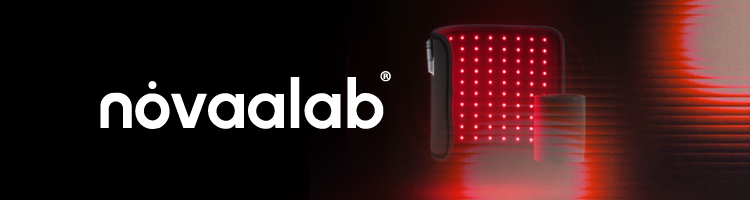
1. NOVAA DEEP HEALING PAD – overall best red light therapy belt in 2026
| Price: | Mid-tier |
| Bulbs: | 450 LED chips |
| Operating temperature: | -10 to 45C |
| Best for: | Joint complaints |
I picked it as the winner because it packs strong light – up to 200mW/cm2 of 660nm and 850nm light – in a compact form of just 16.3” x 7.9”. Concentrated light may work well for intense sessions for the joints – and Novaalab claims mobility is “restored in weeks.”
The pad is easy to strap around knees, hips, wrists, or hands, so it suits those looking for joint comfort, primarily. It’s also certified as CE, RoHS, and, according to the brand, this product has been cleared by the FDA as a Class II medical device. There’s a 60-day risk-free trial and 1-year warranty.
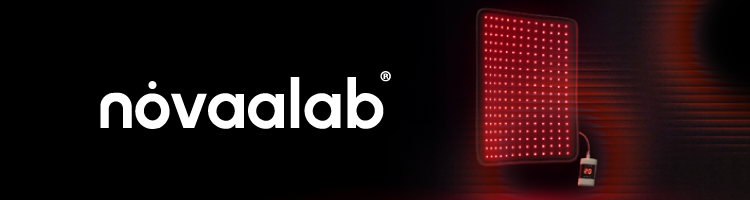
2. NOVAA LIGHT PAD XL – best large-coverage pad for back and hip areas
| Price: | High-tier |
| Bulbs: | 1,200 LED chips |
| Operating temperature: | -10 to 45C |
| Best for: | Whole back or multiple joint coverage |
I picked it for its large surface area – 19.7” x 23.6” – plus 1,200 LEDs. This is a pad for treating your entire back – or multiple joints. It uses 660nm (red) and 850nm (infrared) at identical irradiance levels as its smaller sibling. Novaalab says it can “relieve your whole back at once.”
It’s perfect for back treatment while sitting, for use on the calves/thighs, or in bed. There’s free US shipping, a 60-day money-back guarantee, and a 1-year warranty.
3. MitoQUAD Wavelength Belt – most tech-filled belt with four wavelengths

| Price: | High-tier |
| Bulbs: | 405 LED chips |
| Operating temperature: | 0-35C |
| Best for: | Lower back or multiple joint coverage |
I chose this device for my list because of its impressive engineering – four wavelengths (630nm, 660nm, 810nm, 850nm) with 67% of chips in the near infrared range. Mito says the 810nm band is deeper-penetrating. This 50” x 7” belt has a 22” x 5” treatment area.
Over 900 clinicians support this belt – according to Mito’s site. It matches IEC 60601 safety standards, has an ETL certification, a 60-day trial, and 1-year warranty, and, according to the brand, this product has been cleared by the FDA as a Class II medical device. It’s ideal if you care about specific wavelengths, certifications, and tweaking settings.
4. Hooga Red Light Therapy Belt – cordless belt for waist and back
| Price: | Mid-tier |
| Bulbs: | 405 LED chips |
| Operating temperature: | Not specified |
| Best for: | Waist and back sessions on the go |
I included this device because you get true cordless use right out of the box – unlike some rivals. 405 diodes emit 660nm red and 850nm near infrared light with over 70mW/cm2 when close to the skin at full brightness. It’s a 51.2” x 7.1” belt that’s best for use around the waist, shoulders, or knees.
There’s a 1-year warranty, and a 60-day trial/return period. Hooga doesn’t list any certifications or FDA clearance..
Our methodology
While creating this guide, the CoolTechZone team and I evaluated red light therapy belts using pure data – not hands-on testing. I only used official manufacturer information, real clinical studies, and verified user feedback to keep the review as objective and transparent as possible. I used a weighted scoring system:
- Effectiveness (25%). I analyzed factors like user reported performance in pain relief and recovery. Specifically, changes in joint comfort and whether customers reported less stiffness.
- Build quality and comfort (20%). I evaluated material quality, flexibility, and long-term usability. Devices built with premium materials scored higher.
- Safety and certifications (20%). I noted FDA clearance, wavelength accuracy, and recommended usage levels. Devices with multiple certifications scored more points.
- Ease of use (15%). I assessed design, portability, and the presence of user-friendly controls. Here I weighed remote controls, timers, battery options, and ease of belt positioning.
- Price and value (20%). I considered the cost in relation to features, warranty, and customer satisfaction. I took warranty length, trials, and overall customer satisfaction into account.
The weighted method helps to objectively analyze the best products on the market. I relied purely on verified information and reliable third-party feedback sources during this process.
What is red light therapy?
RLT is a non-invasive light treatment that uses low-level red and near-infrared light to gently stimulate cells. Some brands may add a blue spectrum.
Specific wavelengths of light shine onto the skin – usually through LED lights close to the skin’s surface. Each manufacturer may have slightly different instructions on RLT device use – like minimum and maximum session lengths and frequency. Safety precautions may also differ for each provider, although some measures, such as using goggles for eye safety or not exceeding the recommended time limit, are pretty uniform for all RLT devices.
To put the concept of RLT simply, certain wavelengths of light can affect mitochondria – the “power plants” in our cells, which may help cells produce more energy and support cell repair. In cosmetics and dermatology, RLT devices like masks are popular for reducing wrinkles – supported by several studies, such as this 2014 trial – improving skin texture, and boosting collagen production. A 2007 LED phototherapy study suggests that red and near-infrared light may stimulate skin cells and increase collagen and elastic fibers in facial skin.
How does a red light therapy belt work?
When you wrap an RLT belt around your bare skin, you’re actually wearing a flexible strip of powerful LEDs around your body. The LEDs emit low-level red and near-infrared light – often measured at 660nm and 850nm, respectively. This light is thought to pass through the skin to reach deep muscle and connective tissues – which may help start the body’s repair and recovery system. According to a 2013 paper, that energy could support adenosine triphosphate (ATP) – or cellular energy – production and blood circulation around the treated area.
RLT technology in a belt format means you can wrap the belt around areas you want to target – unlike RLT lamps, pads and panels. Belts can be used on the waist, back, or thighs – and on the go, lending them a practical edge. Belts also work for home use as they’re flexible and customizable.
Potential benefits of red light therapy belts
RLT belts may have potential benefits, but it’s too early to say anything definitive – especially since the human trials are too small – and it’s often clinical equipment being used. Here are some potential RLT benefits:
- May help relieve joint or back pain: A 2019 paper suggested that low-level laser therapy (LLLT) significantly reduced joint pain and disability in knee osteoarthritis patients.
- May enhance muscle recovery after workouts: A 2021 paper concluded that light therapy before exercise improved lower-limb muscle strength. It also noted reduced muscle soreness and muscle damage.
- Might reduce inflammation and stiffness: A 2023 review on photobiomodulation for arthritis showed that RLT helped reduce inflammation and stiffness.
I’ve found that roughly around two-thirds of online reviewers cite less pain and inflammation with consumer RLT belts. Meanwhile, some say there’s no effect whatsoever.
Features to consider when choosing the best red light therapy belt
When purchasing an RLT device, it’s helpful to know what to look for. Here are the features I always check before I recommend a device:
- Wavelength range: Look for common “therapeutic” ranges of light: 660nm (red) and 850nm (near infrared). Studies also use these ranges – thought to support deeper tissues in different ways.
- Treatment area: A belt can cover your waist in one go, while small pads are great for zone treatment. Know what you want to treat.
- Power output: Power output (irradiance measured in mW/cm2) is how intense the light is at a given distance. Higher isn’t always better. Dense coverage or multiple wavelengths instead are important too.
- Portability: Look for a cordless model, or one with included battery packs, for usage on the go. These are often lightweight.
- Material and comfort: Always go for breathable materials and solid straps. This will mean long-term durability and comfort.
- Safety features: Overuse may be risky. Pick a device that has timers, auto-shutoff, and temperature limits.
- Warranty and support: Choose a brand that displays its trials, returns, and warranties proudly. Look for reviewers praising customer support.
How to use a red light therapy belt
With most RLT belts, it’s the same basic pattern: position, adjust, relax, repeat. Routines will vary by brand, so here’s a general step-by-step you can follow:
- Prepare the belt: Position it on bare, clean skin – remove clothing, jewelry, and any cosmetics. Wrap the belt comfortably around the area you’re targeting – like your lower back, waist, or across your shoulder. The lights must face your skin.
- Activate the belt: Turn on the belt, then adjust your mode, brightness level, and session timer. Start with shorter sessions at medium intensity until your skin gets adjusted.
- Follow guidance: Your RLT device’s manual contains strict session guidance. Typically, this means starting gently and ramping up to several times of usage per week (10-20 minute sessions).
- Be consistent: Don’t blast yourself right away. Manufacturers say that consistent, organized sessions are key for any potential benefits.
Remember, if anything feels too hot or irritating, stop immediately. Before starting, read the official instructions.
Precautions doctors recommend if you want to use red light therapy at home
According to currently available evidence, RLT is generally safe in the short run. However, there are some important precautions regarding RLT device use:
- Speak to a doctor first. Consult a healthcare professional first. They’ll review your health history, and tell you if RLT isn’t recommended – especially if you have certain conditions, or take some medications.
- Follow manufacturer guidelines. Follow the device’s manual closely. This could include session length, distance, and frequency – plus safety precautions.
- Be extra cautious. If you’re photosensitive, pregnant, or on certain medications – like photosensitizing drugs – you might not be the perfect fit for considering RLT.
- Pick a safe device. Ensure your device is FDA-cleared and/or meets recognized safety standards. If these standards aren’t mentioned in detail on the homepage, do not purchase.
RLT devices aren’t just fun gadgets – they’re serious tools. Don’t surpass session limits and frequency, and always refer to your device’s manual.
RLT shouldn’t be used as the only line of treatment. If you have any health complaints, seek diagnosis and adequate treatment recommendations from a healthcare professional first and consult whether RLT could be used as an adjunct method.
Final verdict: the best red light therapy belts
For me, the best red light therapy belts are created with safety in mind, backed by clinicians, have a decent wavelength range, and use breathable materials. The NOVAA DEEP HEALING PAD for joint pain & arthritis is one such device.
RLT belts are perfect for hands-free and on the go sessions, as well as for covering large areas like your entire back. They’re designed to help athletes and those suffering from certain types of chronic muscle and joint pain.
Remember to research each model before you buy. This guide is always here to show you the way.
FAQ
What wavelength is best for red light therapy belts?
There’s no evidence to suggest there might be the best wavelength for belts or targeting certain ailments.. However, many belts – like NOVAA DEEP HEALING PAD for joint pain and arthritis – use around 660nm (red) and 850nm (near infrared). This is common in RLT research and believed to support tissue wellness.
How often should I use a red light therapy belt?
That depends, the manufacturer manual should state session length and frequency. Many brands suggest 10-30 minutes per area. Follow the guidance in your device’s manual and consult a healthcare professional for personalized advice.
Are red light therapy belts safe for everyday use?
Likely yes, given you stick to the manufacturer’s guidance and ensure you don’t have any health conditions that conflict with RLT device use. Research suggests RLT to be generally safe to use. However, we don’t know if it’s safe to use in the long run.
Can red light therapy help with back pain or arthritis?
Many online reviewers say yes, and a few, small clinical trials also seem to agree. Ultimately, it’s individual – some red light therapy reviews report no changes after trying RLT.
Do I need goggles while using a red light therapy belt?
There's still no general consensus on whether red light can be harmful to the eyes or not. Make sure to avoid direct eye exposure and wear protective goggles. Always check safety instructions first.