
Holiday warning: QR codes conceal scams
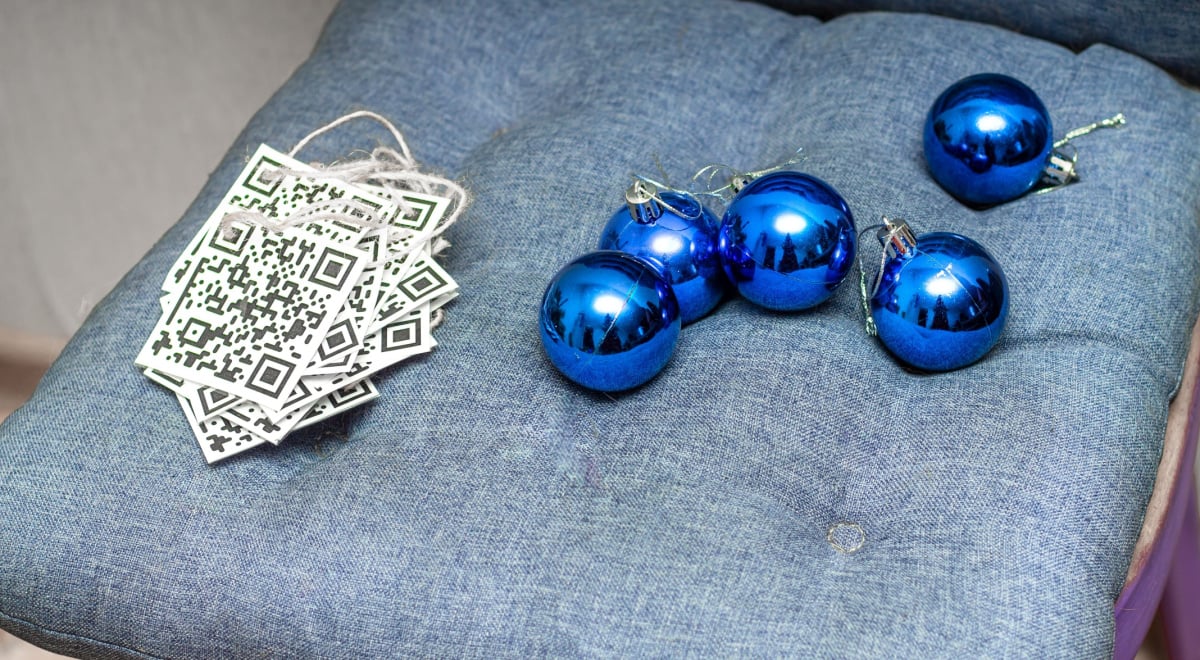
As the holiday season ushers in a spirit of giving, don’t be so quick to leave tips by scanning QR codes, since they have become a breeding ground for potential scams.
QR codes, prevalent in various settings from retail stores to parking meters, are increasingly exploited by scammers aiming to pilfer personal information, the Federal Trade Commission (FTC) warned.
Scammers are using QR codes, those square barcodes we often scan for menus or payments, for trickery. They’re hiding fake QR codes on parking meters, bars and restaurants, or sending deceptive texts and emails. Attackers make up stories about undelivered packages or account problems to rush people into scanning the codes. This urgency can lead to opening harmful links.
People should be careful when scanning QR codes in unexpected situations. Check the URLs for any strange signs that might show it's a fake website. It’s especially important to be cautious with QR codes in messages you didn’t ask for, especially if they pressure you to act fast.
To stay safe, experts suggest updating your device’s software and using strong passwords with extra security layers for your online accounts. These steps help protect against scams that use QR codes and reduce the chances of someone getting hold of your private information during this festive time.
So how can you protect yourself?
- If you see a QR code in an unexpected place, inspect the URL before you open it. If it looks like a URL you recognize, make sure it’s not spoofed — look for misspellings or a switched letter.
- Don’t scan a QR code in an email or text message you weren’t expecting — especially if it urges you to act immediately. If you think the message is legitimate, use a phone number or website you know is real to contact the company.
- Protect your phone and accounts. Update your phone's OS to protect against hackers and protect your online accounts with strong passwords and multi-factor authentication.