
Nearly 150,000 Uber drivers affected by third-party data breach
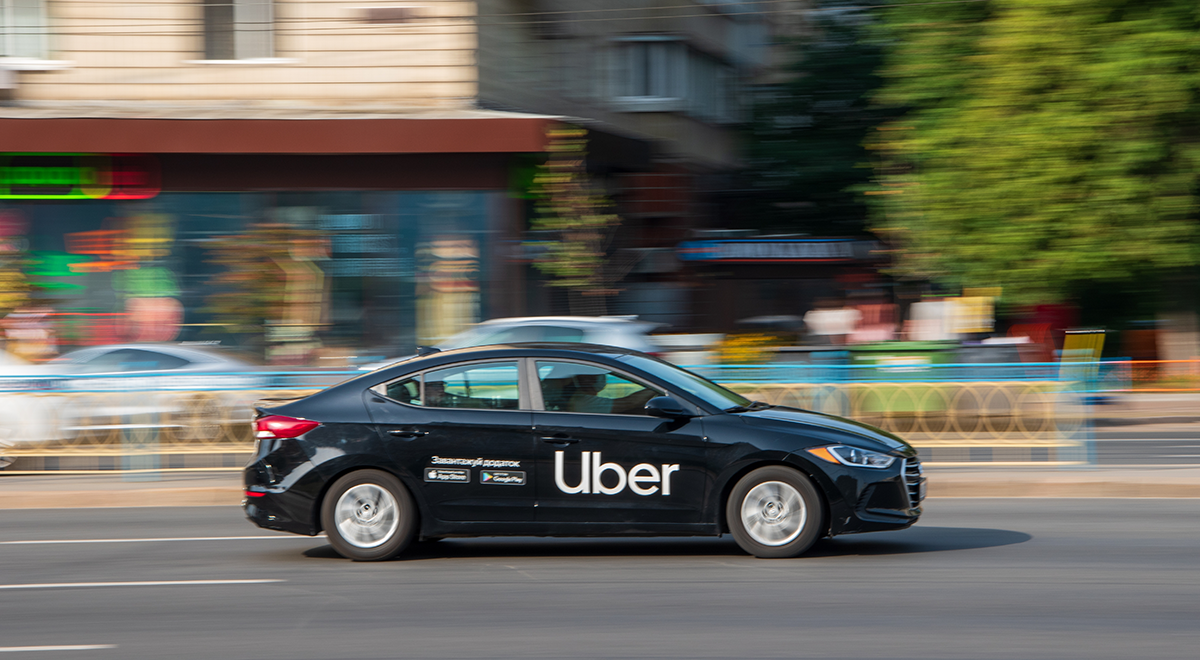
Uber is notifying close to 150,000 drivers that their personal information and driver’s license information were stolen during the recent data breach at one of the company’s service providers.
In a data breach notice addressed to the Attorneys General of the states of Maine and Oregon, Uber states that 149,346 people have been affected by the incident.
The stolen data includes names, addresses, dates of birth, and driver’s license numbers.
After being notified of the incident on October 9th, Uber immediately severed data connections with the service provider and launched a forensic investigation, which showed that an unauthorized party had used compromised credentials of an external service provider to access Uber data.
Although Uber didn’t name the service provider, TechCrunch first reported that the Uber data originated from a security incident at Fireworks AI, a platform that provides high-performance open-model inference.
“The notices to drivers are in relation to a security incident impacting one of our third-party vendors, Fireworks.ai, which had access to some Uber data,” an Uber spokesperson told TechCrunch when the editorial team reached out for comment.
Fireworks AI has attributed the attack to a financially motivated cybercriminal threat actor group linked to a series of large language model hijacking (LLMjacking) attacks.
This is a type of attack in which criminals hijack someone else’s access to large language models (LLMs) to use their computing resources without permission, for example, to optimize malicious code or other activities.
Affected drivers are recommended to remain vigilant for any misuse of their identity or personal information and review their account statements regularly.
This is the second time this year Uber has dealt with a data breach. In August, the ride-hailing service company reported a security incident at its Uber Freight truck shipping unit, for which an extortion gang called the Helix hacking group took credit for stealing data.