
Beyond Literal Translation: How AI Translators Are Creating Smarter Language Experiences for Global Users
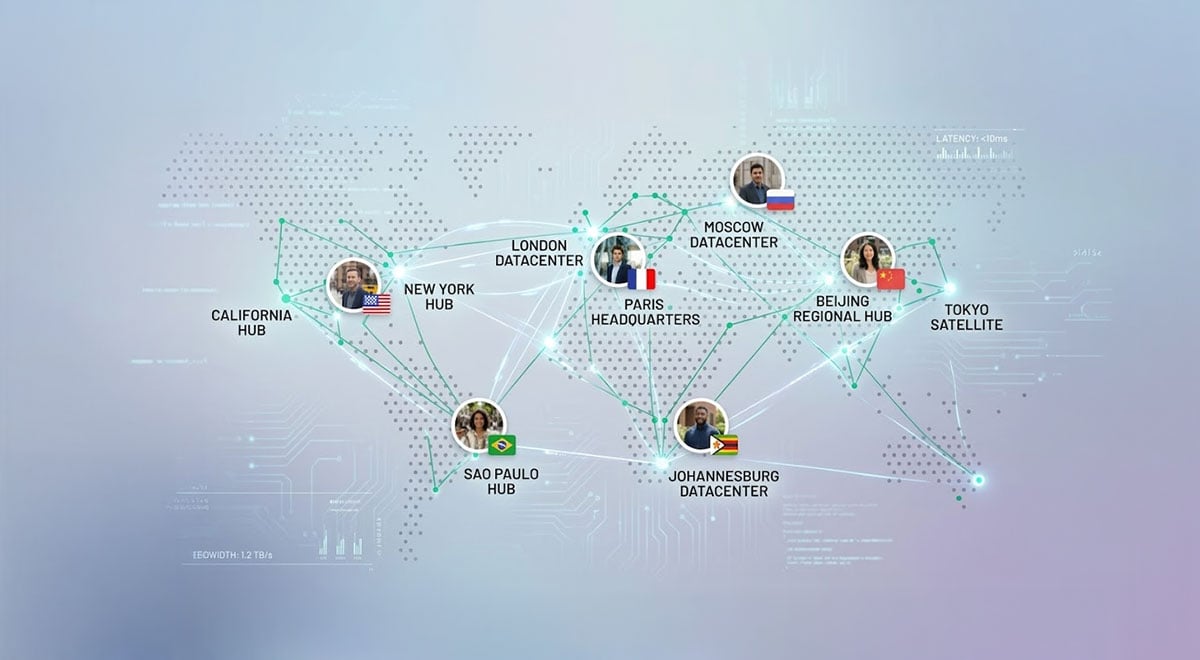
Have you ever tried to communicate with people from different countries and found that simple translation was not enough? As globalization continues to expand, businesses, communities, and users need more accurate and natural ways to communicate across languages.
Traditional translation tools helped reduce basic language barriers, but global users now need more than word-for-word conversion. AI translators are creating smarter language experiences by understanding context, improving accuracy, and making multilingual communication more seamless.
The Limitations of Traditional Translation Tools in a Multilingual World
For many years, translation tools relied mainly on direct word replacement and fixed language rules. While they were useful for simple phrases, they often struggled with complex sentences, cultural differences, and real-world communication needs.
- Limited understanding of context: Traditional systems may translate words correctly but fail to understand the meaning behind a sentence.
- Difficulty handling natural expressions: Idioms, informal language, and industry-specific terms can often produce inaccurate results.
- Inconsistent translation quality: Different sentence structures and language patterns can lead to unclear or unnatural translations.
- Lack of personalization: Traditional tools usually provide the same output without considering the user’s purpose or communication scenario.
As global communication becomes more complex, businesses and individuals need more intelligent solutions. AI translators like MixTranslate are emerging to provide more accurate and context-aware language experiences.
How AI Translators Understand Context Beyond Word-for-Word Conversion
AI translators are changing how people interact with languages by moving beyond simple translation. Instead of only matching words, modern AI systems analyze sentence structures, meanings, and usage patterns to provide more natural results.
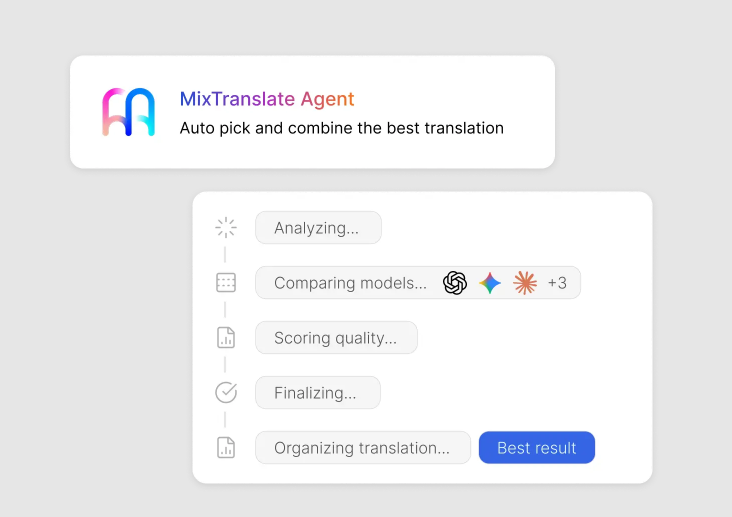
Understand Meaning Through Context
Unlike traditional tools, AI translators analyze the relationship between words and the overall meaning of a sentence. This helps provide more natural translations for conversations, business communication, and everyday use.
Improve Accuracy Across Different Languages
AI translation systems learn from large amounts of multilingual data to recognize grammar patterns, expressions, and language differences. The MixTranslate AI Translator can help users achieve more consistent results across different languages.
Adapt Translation for Different Scenarios
Different situations require different tones and styles. AI translators can adjust translations based on context, making them useful for professionals, students, travelers, and global users.
Support Faster Multilingual Content Creation
Businesses need multilingual content for websites, marketing, and customer communication. AI translators reduce manual work and help teams communicate with international audiences more efficiently.
Create More Natural Language Experiences
Modern users expect smoother digital experiences. A free AI translator can help remove language barriers by improving readability and making multilingual interactions easier for users worldwide.
Key Features to Look for in an AI Translator for Better Language Experiences
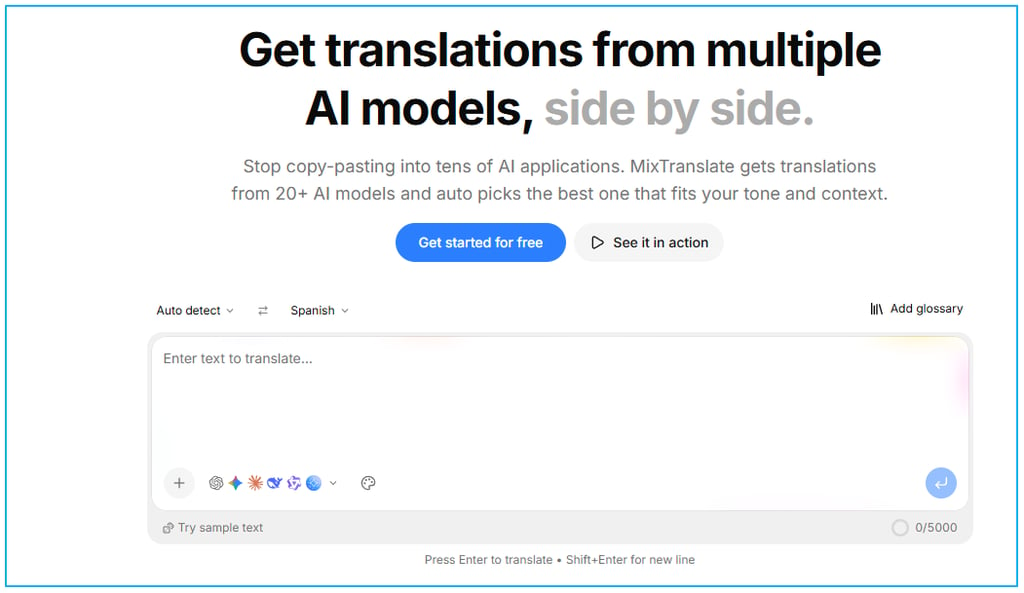
Choosing the right AI translator requires more than checking the number of supported languages. Users should consider the technology behind the tool and whether it can provide reliable results for different communication needs.
- Advanced AI language models: A strong AI foundation helps translators understand context, sentence structure, and language patterns instead of relying only on direct conversion.
- Wide language support: A good AI translator should support multiple major languages to help users communicate across different regions. For example, MixTranslate provides dedicated tools such as its Spanish Translator and Japanese Translator, helping users handle specific language needs.
- Context-aware translation: The ability to recognize meaning, tone, and intent is essential for producing natural translations.
- User-friendly experience: Simple interfaces and fast results allow users to translate content efficiently without technical knowledge.
- Flexible use cases: A reliable AI translator should support different scenarios, including business communication, learning, travel, and daily conversations.
Best Practices for Using AI Translation Tools Effectively and Responsibly
Although AI translators continue to improve, users should still understand their limitations. Complex professional content, cultural expressions, and highly specialized information may require additional review. To achieve better results, users should:
- Review important translations before publishing or sharing them.
- Provide clear context when translating complex content.
- Use AI translation as a support tool rather than a complete replacement for human expertise.
- Combine AI efficiency with human judgment when accuracy is critical.
By using AI translators responsibly, individuals and businesses can benefit from faster communication while maintaining quality and accuracy.
Conclusion
AI translators are moving beyond word conversion by understanding context and improving multilingual communication. As globalization grows, AI-powered translation will help people and businesses build more meaningful connections worldwide.