
Who Should See a Client’s Door Code? Data Security for Cleaning Businesses
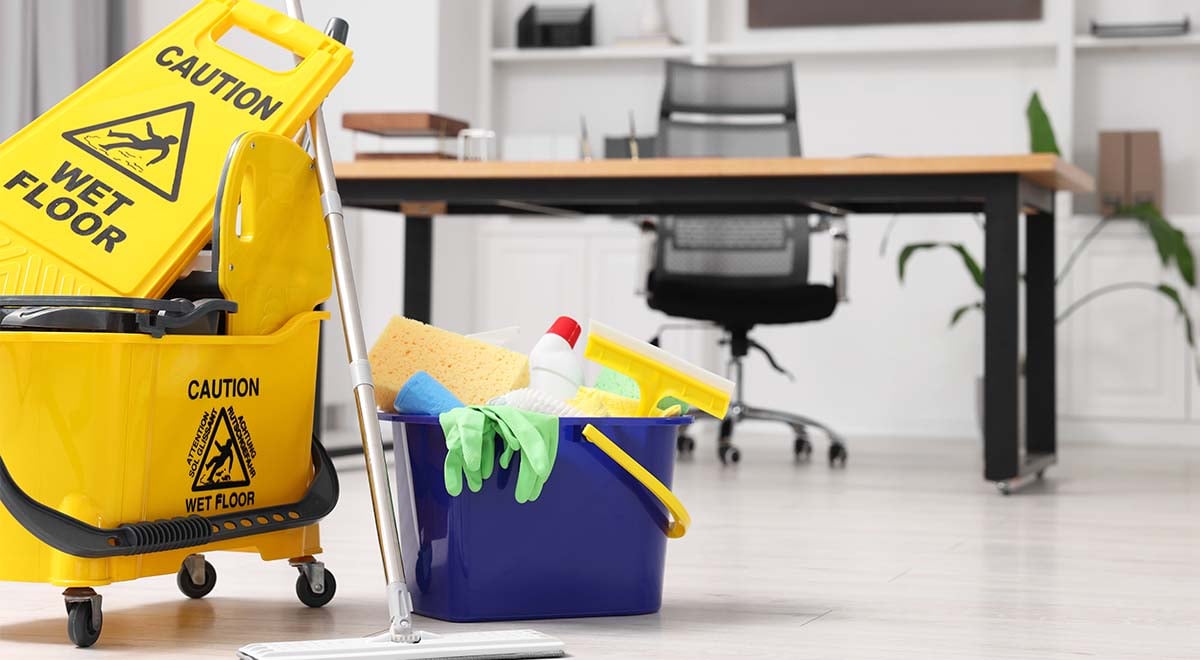
Door codes, alarm instructions, addresses, visit times, interior photographs, and payment records are ordinary working information for a cleaning company. Put together, they also describe when a property is accessible, what it looks like inside, and who is expected to enter. That makes them more sensitive than a standard customer contact list. Data security for cleaning businesses begins with a practical question: who needs each detail right now? A cleaner assigned to Tuesday’s visit may need the address and entry instructions shortly before arrival. That does not mean the same person needs billing history, information about other properties, or permanent access to the code after the assignment ends. Security improves when information follows the job instead of following every employee indefinitely.
One cleaning visit can leave copies everywhere
Client details often spread without anyone deliberately creating a security problem. An address is entered into a spreadsheet, then copied into a group chat. The supervisor sends an alarm note separately. A cleaner takes a screenshot because mobile reception near the property is unreliable. Proof-of-work photographs stay in the phone gallery after being uploaded. By the end of the visit, several usable copies may exist outside the company’s main records.
Using cleaning business software can keep recurring schedules, property details, assigned visits, notes, photographs, and billing activity within a connected workflow instead of dividing them among unrelated tools. Tofu supports these operational records for growing cleaning teams. That does not make every stored detail automatically secure, nor does it replace an access policy. The benefit is simpler: the company has fewer reasons to reproduce customer information in personal chats, private calendars, paper route sheets, and separate photo libraries.
The safest unnecessary copy is the one that was never made. Before saving or forwarding a client detail, the useful question is not whether it might help someday. It is whether the assigned worker needs it to complete the current visit.
Access should follow the assignment
Employment alone should not provide access to the entire client list. A cleaner needs information about the properties on the current route, while office staff may require pricing, invoices, and payment status. Supervisors may need a wider operational view, but that access should still reflect their responsibilities. Someone covering one canceled shift does not need permanent visibility into every future visit at that address.
The NIST Cybersecurity Framework treats identity management and access control as core parts of protecting information. Applied to cleaning operations, the principle is straightforward: provide access according to the task, review it when responsibilities change, and remove it when the need ends. This matters during ordinary schedule changes as much as during formal offboarding. If a cleaner is reassigned, an old code or property note should not remain available merely because it was once relevant.
Shared accounts weaken this control. When several people use one login, the company cannot easily determine who opened a record or remove one person without disrupting everyone else. Individual accounts, strong passwords, and prompt access changes create a clearer boundary around client information.
Job photos need a narrower frame
A proof-of-work image can confirm that a kitchen, office, or lobby was cleaned. It can also capture mail, medication labels, employee badges, family photographs, computer screens, alarm panels, or documents left on a desk. Those details add no value to the service record. They enter the image simply because nobody defined what the photograph should contain.
Workers need a basic rule before using the camera: photograph the completed surface or area, not the client’s private surroundings. If sensitive material appears in the frame, the image should be retaken rather than stored and shared. The same restraint applies to GPS records. Location and timestamp data can verify a visit, but their purpose should be clear. Keeping location information indefinitely or using it outside working assignments creates a different privacy issue involving employees.
Good data security for cleaning businesses does not mean collecting every available piece of evidence. It means keeping enough to support the service while excluding details that do not belong in the record.
A lost phone turns into an access incident
A missing device is not only an equipment problem when it contains active sessions, saved screenshots, route information, or customer messages. The response should begin as soon as the loss is reported. Waiting to see whether the phone reappears gives an unauthorized person more time to open the information stored on it.
CISA recommends protections such as multifactor authentication and prompt action when accounts or devices may be compromised. A cleaning company can turn that guidance into a short response sequence:
- Lock or remotely erase the missing device when that option is available.
- End active sessions and reset the affected account credentials.
- Replace any door or alarm codes visible on the device.
- Identify the clients whose information was exposed and document the response.
The same process applies when a code is sent to the wrong chat or an employee account remains active after departure. The response should address the exposed information, not only the device through which the incident occurred.
Client access should expire with the job
A cleaning company does not need to retain every screenshot, message, and route sheet to prove that work was completed. It needs one controlled business record containing only the information required for scheduling, service verification, customer communication, and billing. Temporary copies should be removed after they serve their purpose, while former workers and reassigned staff should lose access immediately.
That provides a concrete standard for data security for cleaning businesses: client access information appears only in the assigned worker’s active job record, remains available only while the work requires it, and becomes inaccessible when the assignment or employment relationship ends. If a door code, photograph, or property note cannot pass that test, it is being kept in the wrong place or for too long.