
Microsoft Project Is Not the Only Option: How Companies Choose Project Management Tools Today
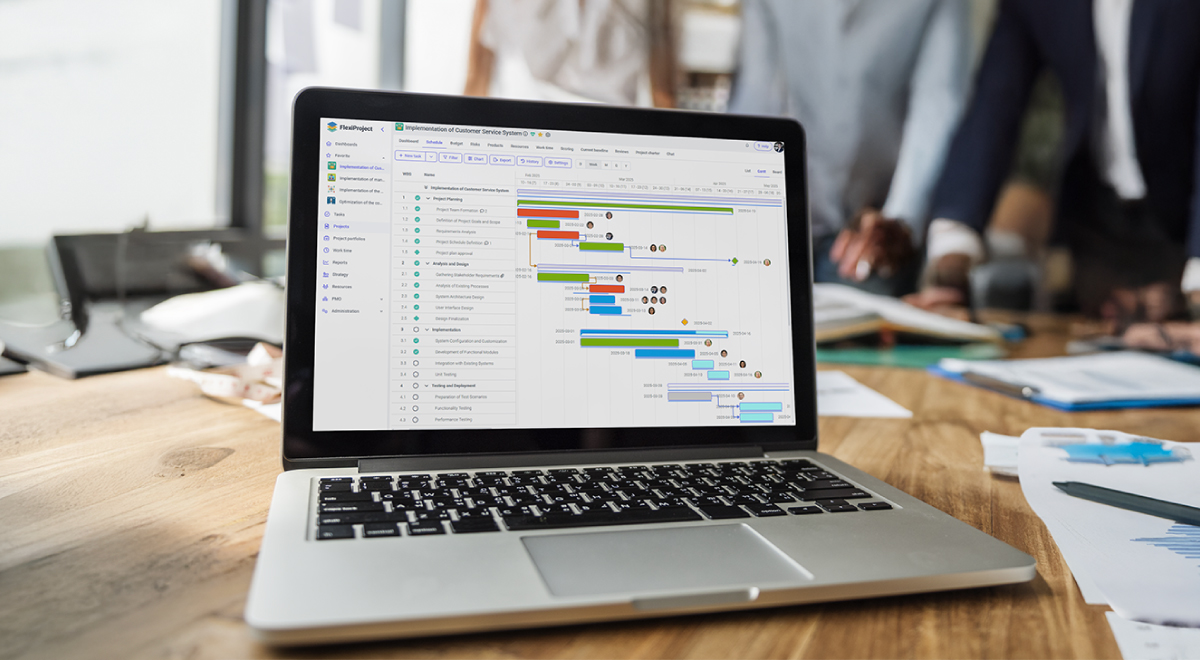
For decades, Microsoft Project has dominated discussions about enterprise planning tools. Its deep feature set and integration with Microsoft ecosystems made it a default choice for traditional project managers. Yet in 2026, the landscape of project management tools looks very different. Organizations of all sizes increasingly evaluate alternatives not because Microsoft Project lacks power, but because modern business demands flexibility, collaboration, real-time insight, and intuitive interfaces that transcend legacy paradigms.Today, choosing a project management tool is less about locking into a standard brand and more about finding a system that genuinely supports execution, cross-team alignment, and measurable outcomes.
Why Businesses Seek Alternatives Beyond Microsoft Project
While Microsoft Project remains robust for formal scheduling, resource leveling, and waterfall planning, its complexity and licensing model often make it less suitable for dynamic environments. Many organizations now operate with hybrid teams, decentralized structures, and rapid delivery cycles. In these contexts, the value of a tool is measured not by how extensive its menus are, but by how seamlessly it enables teams to collaborate, adapt, and deliver.
A growing number of companies therefore explore a wider range of options. Their decisions are influenced by factors such as ease of adoption, integration with modern communication tools, cloud-native architecture, and built-in analytics that support proactive risk management. These needs have given rise to a diversified ecosystem of project tools - each with strengths tailored to specific business models and execution styles.

For an overview of viable choices in the current market, see this curated list of Microsoft Project alternatives that organizations are evaluating as they reimagine their planning environments.
Key Criteria Organizations Use in Selecting Project Management Software
When companies evaluate project management tools today, they rarely do so based on a single dimension. Instead, decision-makers weigh several core criteria:
1. Ease of Onboarding and Adoption
Complex interfaces slow adoption and increase training costs. Tools with intuitive layouts, clear workflows, and embedded guidance lower the barrier for all team members - not just specialists. Platforms that reduce the learning curve allow organizations to focus on execution rather than software administration.
2. Collaboration and Real-Time Transparency
Distributed and hybrid teams demand shared visibility. Real-time dashboards, live schedule updates, and transparent discussion threads ensure that stakeholders can make decisions fast. When progress is visible and shared, risk signals surface earlier, and teams can adjust course without waiting for periodic status meetings.
3. Flexible Methodology Support
Modern organizations rarely adhere strictly to one methodology. They blend agile sprints, waterfall milestones, and hybrid frameworks depending on project context. Tools that enforce rigid process models can create friction. Instead, companies seek systems that support multiple paradigms without forcing compromises.
4. Integration With Ecosystems
Project tools that integrate with messaging platforms, document repositories, CRM systems, and financial data sources reduce duplication of effort. Integrated environments ensure that project intelligence reflects real business activity, not isolated task lists.
5. Scalability and Portfolio Vision
As organizations grow, so does the complexity of their delivery portfolios. Decision-makers therefore value tools that extend beyond single-project views into enterprise-level visibility. These platforms allow leadership to evaluate dependencies, resource allocation, and strategic alignment across multiple initiatives - not just isolated plans.
A broader survey of the best modern platforms can be found in this resource outlining top project management software solutions that companies consider in 2026.
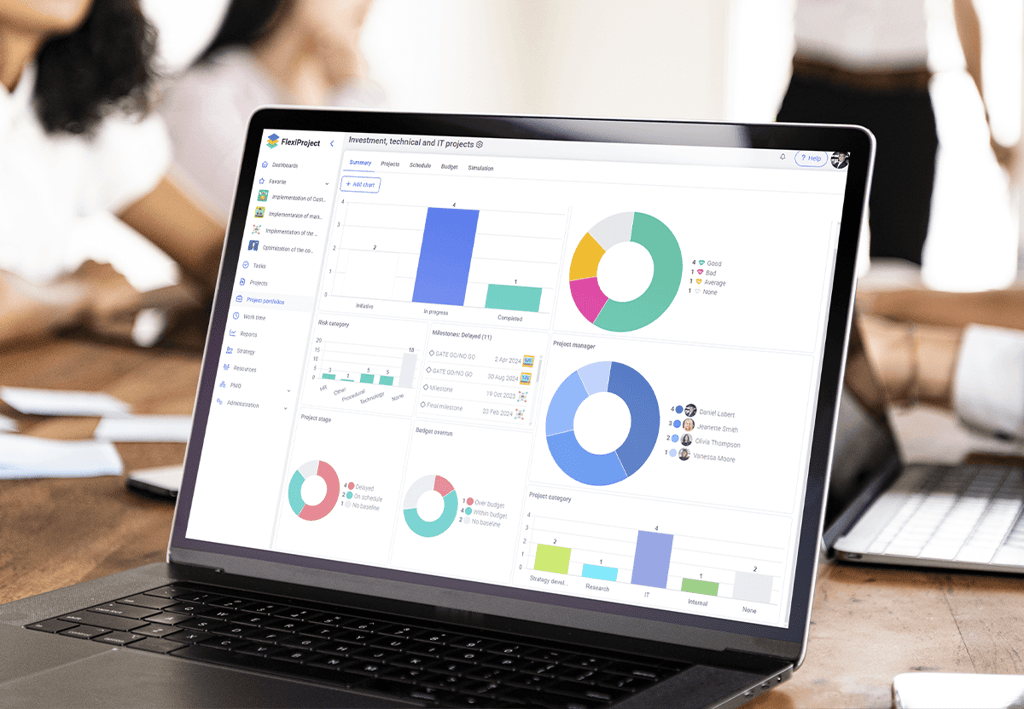
Distributed Workforces and the Demand for Synchronized Workspaces
The rise of hybrid and remote work models has fundamentally changed how project teams coordinate. Gone are the days when everyone sat in the same building and relied on verbal updates or static reports. Today’s teams are spread across geographies and time zones, yet still need a unified operational picture.
This shift elevates certain tool capabilities from “nice to have” to “must-have”. Real-time updates, centralized communication threads, and shared artifact repositories ensure that collaboration does not degrade into disconnected email chains or siloed spreadsheets. When every contributor can see not just what they need to do, but why and how it fits into the larger structure, execution becomes smoother and more predictable. In this context, alternatives that emphasize live status, cross-functional visibility, and automatic alignment increasingly outperform tools rooted purely in desktop-based planning models.
Balancing Structured Planning With Adaptive Execution
One of the perennial challenges of project delivery is balancing structure with adaptability. Large task dependencies, fixed milestones, and resource constraints require disciplined planning. Yet unpredictable changes - shifting requirements, emergent risks, and evolving stakeholder expectations - demand flexibility. Modern platforms address this by offering structured frameworks that still adapt to real-world conditions. Rather than forcing teams into rigid templates, they allow dynamic sequencing, scenario modeling, and contextual reprioritization. This ensures that when change occurs (as it always does), plans evolve gracefully rather than collapse.
High-performing organizations recognize that a tool must support both forward structure and real-time adjustment. They value features that help teams anticipate bottlenecks, visualize task interdependencies, and reallocate effort with minimal friction.

Beyond Choice: Alignment With How Work Actually Gets Done
Ultimately, organizations are not choosing software for its brand, its legacy reputation, or its sheer number of features. They select tools that fit the way their teams work.
Tools that:
- Enable both operational clarity and strategic insight
- Support collaboration across distributed teams
- Link task execution with business outcomes
- Provide transparent dashboards and up-to-date progress metrics
- Scale from small teams to enterprise-level portfolios
This alignment is what separates successful implementations from those that generate new forms of chaos. It is one reason why Microsoft Project - while still valuable in specific contexts - increasingly shares space with a broader portfolio of specialized, modern solutions.