
Hume Band vs Whoop: which fitness tracker wins in 2026?
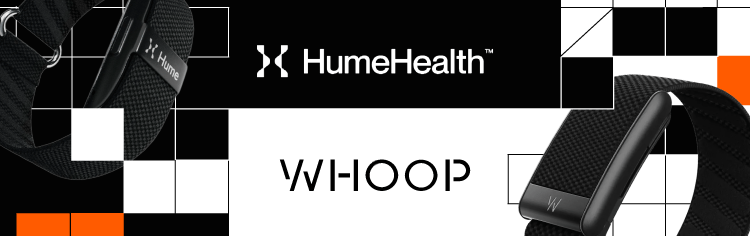
Hume Band and Whoop are two of the most popular fitness devices available today – one offers health tracking with no subscription costs, and the other caters to high-performance athletes. Both promise deep insights into your physical health and overall wellness. They monitor heart rate variability, sleep cycles, blood oxygen saturation, resting heart rate, and more, helping users train smarter and live healthier lives. But which one is the right choice for your lifestyle and tracking needs?
In this article, I compare both trackers using verified specifications, user feedback, and independent data. Partnering with the CoolTechZone research team, I’ll help you decide which device delivers the best mix of features, comfort, and overall value in 2026.
I highly recommend Hume Band for users who may be interested in balanced health insights without recurring costs. It offers advanced stress tracking, AI-driven wellness metrics, and ECG-level heart rate accuracy. With a one-time purchase and no subscription, it may be a good investment for long-term value and simplicity.
I highly recommend Hume Band for users who may be interested in balanced health insights without recurring costs. It offers advanced stress tracking, AI-driven wellness metrics, and ECG-level heart rate accuracy. With a one-time purchase and no subscription, it may be a good investment for long-term value and simplicity.
Hume Band vs Whoop overview
Hume and Whoop have different approaches to fitness and health tracking. Check out this table for an overview:
| Specification | Hume Band | Whoop |
| Rating | 4.8 | 4.6 |
| Weight | 8.6g | 26.5g |
| Display clock | ❌ No | ❌ No |
| GPS | ❌ No | ❌ No |
| Water resistance | IP68 | IP68 |
| HSA/FSA eligible | ✅ Yes | ✅ Yes |
| Battery life | Up to 7 days | 14 days |
| Upfront price | From $299 | – |
| Subscription cost | From $8.99/month (Hume Plus) | From $199/year |
| What we like | Subscription-free tracking, metabolic capacity and momentum measurements, user-friendly approach to analytics | Detailed performance metrics, impressive battery life, highly accurate sensors |
| What we dislike | Mediocre battery life | Expensive subscription-based pricing |

How we test smart devices (methodology)
To evaluate Hume Band and Whoop, I used a weighted scoring system based on verified information, expert reviews, and user feedback. Here are the criteria I used:
- Tracking accuracy (25%). I researched each product’s precision when tracking metrics such as heart rate, recovery, sleep, and strain using verified data and aggregated user reports.
- Features and app experience (20%). I analyzed the range of health insights, usability of companion apps, and the quality of data visualization tools.
- Design and comfort (20%). I compared materials, size, and long-term wearability based on verified specifications and user impressions.
- Battery life and charging (15%). I examined manufacturer claims and user reports regarding battery duration and charging convenience.
- Value for money (10%). I assessed whether each device’s price aligns with its features, performance, and ongoing costs.
- Community and support (10%). I reviewed the accessibility of online communities, customer service responsiveness, and available educational resources.
Hume Band vs Whoop: core metrics tracked
| Metric | Hume Band | Whoop |
| Heart rate | ✅ Yes | ✅ Yes |
| Heart rate variability (HRV) | ✅ Yes | ✅ Yes |
| Blood oxygen levels | ✅ Yes | ✅ Yes |
| Sleep stages | ✅ Yes | ✅ Yes |
| Respiratory rate | ✅ Yes | ✅ Yes |
| Stress monitoring | ✅ Yes | ✅ Yes |
| Skin temperature | ✅ Yes | ✅ Yes |
| Third-party integrations | ✅ Yes, Apple Health, Garmin, Fitbit | ✅ Yes, Apple Health, Strava |
Both devices track essential health metrics, such as heart rate, sleep, and strain, but they vary in their approach to performance insights and availability.
As part of its entry-level plan, Whoop provides recovery, sleep, and strain scores; steps and activity monitoring; and blood oxygen and heart rate zones. For access to more advanced features like its stress monitor, heart monitor, and heart screener, you’ll need to upgrade to one of the higher-tier plans.
Hume Band measures similar data without the need for a subscription. It also has unique metrics. Metabolic Capacity gauges how efficiently your body uses energy during activity and recovery, while your Metabolic Momentum score reflects how your habits influence long-term health and resilience.
Hume Band vs Whoop: design and comfort
Both fitness trackers are screenless, wrist-worn devices, but they have significant differences in design.
Whoop offers a variety of band designs, colors, and materials that you can easily swap out, so you can wear your Whoop band to any occasion. Its latest model, the Whoop 5.0, is smaller than its predecessor, but it also weighs more at 26g.
Looking at the design, Whoop looks like a regular watch strap that’s missing the actual watch. The buckle looks bulky, and the weight is a significant disadvantage when worn for everyday use.
The Hume Band, on the other hand, is a simple and modern strap designed for 24/7 wear. It’s water-resistant up to 10 meters, perfect for swimming and other water sports. It only comes in one color and material, and it only weighs 8.6g.
Though it’s less versatile, the Hume Band looks and feels more like something you can comfortably wear every day. Its cheaper price point also means you don’t worry as much about wearing it outdoors, in the shower, or even to sleep.
Hume Band vs Whoop: activity and health tracking accuracy
Hume Band and Whoop are generally accurate for tracking most health and performance metrics, though there remains room for improvement for both trackers.
A 2022 study on wearables found that Whoop 3.0 achieved over 99% accuracy for heart rate and HRV tracking, placing it among the most reliable in its class. However, the study reviewed an older Whoop model, and so far there have been no studies done with Whoop 5.0.
Additionally, some users note that, as a wrist-based tracker, Whoop can be less accurate than chest straps during high-intensity workouts involving weightlifting or push-ups.
On the other hand, via its Whoop Advanced Labs, Whoop offers the service of blood test booking and the result’s integration in the app. The blood tests are meant to provide additional accurate insight into your health. The resulting data gets incorporated into your health plan in the app.
Meanwhile, Hume Band boasts ECG-level accuracy for its heart rate sensor and FDA validation for its blood oxygen tracking. It also uses AI-driven biomarker algorithms to turn raw data into Metabolic Momentum and recovery insights.
However, some reviewers are dissatisfied with its sleep and exercise tracking. One user notes a discrepancy between the calories burned recorded by Hume Band and Apple Health.
It’s worth remembering that accuracy depends on proper use and placement. To get the best results, wear your tracker snugly, position it just above the wrist bone, and keep the sensors clean.

Hume Band vs Whoop: app experience
Both Hume Band and Whoop offer modern apps and an intuitive experience, but one has more user-friendly insights that provide an advantage for casual users.
The Whoop mobile app has a modern interface that lets you switch between sleep, recovery, and strain dashboards. It also has a community tab for sharing experiences with other users. But while Whoop delivers extensive data visualization, it can feel overwhelming to navigate, given the amount of detail.
By contrast, Hume’s app presents easily digestible insights that can be easily interpreted at a glance. The interface is clean and simple, with weekly scores and longevity insights. It also makes all of your data readily available, whereas Whoop requires a monthly subscription.
Hume Band vs Whoop: battery life and charging
Whoop’s battery life is its biggest selling point – it may even justify the premium pricing. Meanwhile, Hume has a decent battery life, though it only lasts half as long as its competitor.
According to Whoop, you can use the device for 14+ days, even with always-on tracking. However, the charging time is 2 hours. You can choose between a wired charger or a wireless PowerPack, depending on your subscription plan.
Meanwhile, the Hume Band can last 5 to 7 days on a single charge, which might seem less than Whoop. However, Hume Band takes only between 20 to 80 minutes to charge depending on battery level. The choice here depends whether you prefer fast charging or longer battery life.
Hume Band vs Whoop: pricing and subscriptions
Hume and Whoop take two different approaches to pricing. Hume Band requires a one-time upfront payment, and offers basic tracking for free. There’s also an optional subscription for premium tracking. Meanwhile, Whoop is only available through subscription plans.
You can get Whoop through any one of these membership plans:
| Features | Whoop One | Whoop Peak | Whoop Life |
| Price | $199/year | $239/year | $359/year |
| Charger | Basic wired charger | Wireless PowerPack | Wireless PowerPack |
| Core metrics (recovery, sleep, strain, steps, activity, heart rate) | ✅ Yes | ✅ Yes | ✅ Yes |
| Stress monitoring | ❌ No | ✅ Yes | ✅ Yes |
| Heart screener with ECG | ❌ No | ❌ No | ✅ Yes |
| Blood pressure insights (beta) | ❌ No | ❌ No | ✅ Yes |
Meanwhile, to get the Hume Band, you only need to pay a one-time fee of $299. Additionally, if you would like more premium tracking options complemented with AI coaching, Hume Band offers a $8.99/month Hume Plus subscription for that. This subscription is optional, and the Hume Band upfront cost includes tracking as well.
If value for money is a priority, the Hume Band is the obvious choice, considering you need the Whoop Life ($359/year) plan to match Hume’s metrics tracking features.
Hume Band vs Whoop: pros and cons
Get a summary of each device’s advantages and disadvantages below:
Hume Band vs Whoop: who should choose which device?
Fitness trackers offer valuable insights into health, recovery, and activity, helping users stay accountable and motivated. Both Hume Band and Whoop provide advanced tracking features that aim to improve self-awareness, performance, and overall well-being.
Choose Whoop if:
You’re a high performance athlete who needs detailed and accurate performance analytics and strain recovery optimizations. Whoop will also be a good choice for data and tracking enthusiasts.
Choose Hume Band if:
You’re a casual user interested in comprehensive wellness tracking and longevity insights, such as stress monitoring. Hume Band’s one-time purchase and easy-to-understand metrics may make it appealing to casual users and beginner athletes.
Both trackers are excellent choices. Ultimately, your decision comes down to whether you prefer simplicity and affordability or data-focused precision.
FAQ
Does Hume Band have a free trial or money-back guarantee?
Hume Band does not offer a traditional free trial, but it does provide a 45-day, no-questions-asked return or exchange policy. This means you can purchase the Hume Band, try it out, and if it does not meet your needs, you can return it within 45 days for a full refund or exchange. The device must be in like-new condition and returned in its original packaging.
Does Whoop offer a free trial?
Yes, Whoop currently offers a 30-day free trial for new members. If you decide not to continue with a paid membership, you must cancel within the 30-day trial period to avoid charges. The trial is risk-free and includes easy return options, making it simple to test out Whoop’s features before committing to a subscription.
What are the key differences between Hume Band and Whoop?
Hume Band requires a one-time payment and includes features like stress tracking and longevity insights. Whoop uses a subscription model, offering detailed performance metrics, community features, and longer battery life.
Which fitness tracker – Hume Band or Whoop – is more accurate for recovery metrics?
Whoop is generally more accurate for recovery and heart rate variability, supported by studies showing 99% accuracy. Hume Band still performs well but focuses more on wellness insights than precision training metrics.
Does either device require a smartphone connection at all times?
No. Both trackers store data locally and sync automatically once connected to the companion app. However, a smartphone connection is needed to view detailed insights and upload health data.
How long does the battery last on Hume Band compared to Whoop?
Hume Band lasts 5 to 7 days while Whoop lasts up to 14 days per charge. Whoop also supports on-the-go charging via its PowerPack accessory.
Which one – Hume Band or Whoop – is better for stress and sleep tracking?
Hume Band excels in stress and holistic wellness tracking, thanks to its AI-driven biomarker algorithms. Whoop’s sleep tracking is more detailed but primarily geared toward athletic recovery rather than mental well-being.






Your email address will not be published. Required fields are marked