
Hume Health Body Pod vs InBody: which one gives you better insights?
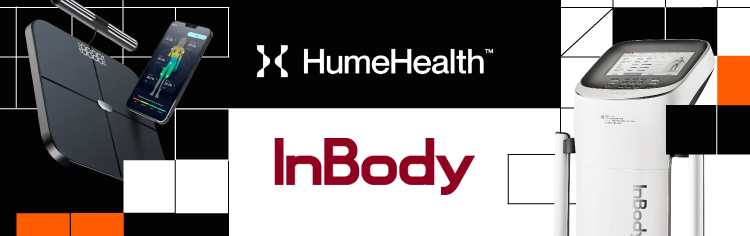
Smart health monitoring devices are seeing widespread use as fitness enthusiasts everywhere take a more active role in tracking their wellness. Body composition analysis, in particular, has become popular for providing detailed insights into weight, muscle growth, fat loss, and hydration levels.
Hume Health Body Pod and InBody Dial H30 are two leading choices for accurate body metrics. Both track key indicators like body fat, muscle mass, hydration, and overall composition. They also provide actionable data that helps users optimize fitness routines, monitor health goals, and make informed lifestyle decisions.
Together with the CoolTechZone research team, I reviewed both devices by reviewing official specifications and examining user feedback. In this article, I’ll go through each device’s design, accuracy, user friendliness, and pricing to help you determine the best body composition analyzer for your lifestyle.

Hume Health Body Pod vs InBody Dial H30 overview
Before diving into the specifics, take a look at this overview of Hume Health Body Pod and InBody Dial H30:
| Specifications | Hume Health Body Pod | InBody Dial H30 |
| Rating | 4.8 | 4.6 |
| Core technology | Bioelectrical impedance analysis (BIA) | Bioelectrical impedance analysis (BIA) |
| Metrics tracked | Weight, muscle mass, body fat, water composition | Weight, muscle mass, body fat mass, body fat percentage, visceral fat level, body mass index, and more |
| Supported weight range | 9 to 400 lb (5 to 200 kg) | 22 to 330.7 lb (10 to 150 kg) |
| Third party compatibility | Apple Health, Google Fit | Apple Health, Google Fit, and Samsung Health |
| Supported languages | English, French, German, Italian, Spanish | English, French, Dutch, Japanese, Korean, and many more |
| Battery | USB-C rechargeable battery | Four AA batteries |
| Price | $229 | $349 |
| What we like | Affordability, bigger weight capacity, rechargeable battery | Extensive list of metrics tracked, free shipping, Wi-Fi connectivity |
| What we don’t like | Occasional accuracy issues, Bluetooth-only connectivity | Expensive price point, not rechargeable, more limited weight capacity |
How we test smart devices (methodology)
I used a weighted scoring system based on verified product information, expert reviews, and user feedback to evaluate Hume Health Body Pod and InBody Dial H30. Here are the criteria I used:
- Accuracy and technology (30%). I researched each product’s precision when tracking metrics such and providing insights on muscle, body fat, and more.
- Design and build quality (20%). I examined the materials, durability, and water resistance to determine how well each tracker handles daily wear and long-term use.
- Ease of use and app integration (20%). I reviewed how intuitive the setup, navigation, and data syncing experience felt in the companion apps.
- Price and value (15%). I compared each tracker’s cost to its performance, features, and subscription requirements to evaluate overall worth.
- User reviews and satisfaction (15%). I studied verified customer feedback from multiple platforms to gauge user satisfaction.
What is Hume Health Body Pod?
The Hume Health Body Pod is a compact body composition analyzer designed for personal use, so you can monitor your health from the comfort of your home. The Body Pod is reminiscent of a smart scale and is easy to set up. It uses eight frequency sensors to help users understand how their bodies are gaining or losing fat, muscle, and hydration.
I can see the Body Pod being helpful to people that may be interested in losing weight, gaining muscle, or recording their hydration levels for health or fitness purposes.
You can find Hume Pod’s AI-powered insights on Hume+, a user-friendly mobile app that lets you track your progress and provides personalized fitness programs. You can also subscribe to the optional premium plan, which adds nutrition tracking and personalized coaching for $9.99/month.
What is InBody?
InBody offers a line of body composition analyzers designed for both home users and professionals, including personal trainers, nutritionists, and medical specialists. These devices provide precise, reliable measurements that help track muscle mass, body fat, water balance, and overall health, offering insights that go beyond monitoring weight alone.
The InBody Dial H30 is a smart body composition scale that brings professional-grade analysis to the home or clinic. It displays information about user weight, body fat percentage, skeletal muscle mass, and visceral fat level. Its compact design makes it portable and easy to store.
InBody pairs its devices with the sleek, modern InBody mobile app that displays trends and generates reports about your data, allowing you to monitor changes over time and make data-driven decisions.
InBody vs Hume Health Body Pod: core metrics tracked
| Metrics | Hume Health Body Pod | InBody |
| Weight | ✅ Yes | ✅ Yes |
| Body fat percentage | ✅ Yes | ✅ Yes |
| Muscle mass | ✅ Yes | ✅ Yes |
| Hydration | ✅ Yes | ✅ Yes |
| Metabolic age | ✅ Yes | ✅ Yes |
Both InBody and Hume Health Body Pod measure key body composition metrics. Their main difference lies in the depth and range of measurements, with the InBody Dial H30 offering more comprehensive data.
The Hume Health Body Pod focuses on practical metrics, which fitness enthusiasts may use to track progress, adjust workouts, and monitor recovery.
The InBody Dial H30 provides additional measurements, including visceral fat level, skeletal muscle mass, segmental fat analysis, basal metabolic rate, and body composition balance. These insights may be especially useful for nutritionists, personal trainers, and health professionals who need a lot of data to guide tailored programs.
When considering only the number of metrics tracked, InBody is the clear winner. Meanwhile, for everyday home use, the Hume Health Body Pod may be a more simple and practical option.

Hume Health Body Pod vs InBody: accuracy and technology
Both Hume Health and InBody utilize bioelectrical impedance analysis (BIA) technology to measure body composition. This works by sending a low, safe electrical current through the body. BIA measures how easily the current flows to estimate body fat, muscle, and water levels.
These devices both also have claims of providing accurate metrics. Hume published a 2023 report showing that the Body Pod’s measurements correlate closely with DEXA results, with 97% accuracy for fat mass and 99% accuracy for muscle mass.
Meanwhile, InBody has a reputation for accuracy, with a 2020 clinical study showing that several InBody devices (230, 720, 770) are highly reliable for measuring body fat, fat mass, and fat-free mass in both men and women. However, no specific study exists for the InBody Dial H30.
User reviews for accuracy vary. Reviews on Reddit show dissatisfaction with Hume, with one user claiming it gave them “different weights and percentages every five minutes.”
On the InBody website, reviewers also claim inaccuracy; one review reads, “I literally tested back-to-back (literally within 15 seconds) and got a different reading.”
Hume Health Body Pod vs InBody: design build and and quality
Both the Hume Health Body Pod and InBody Dial H30 feature premium designs with advanced sensors and durable materials. Their main difference lies in rechargeability and convenience.
The Hume Health Body Pod features a sleek, modern platform made from high-strength tempered glass. Measuring 12.7 by 12.7 inches and just over an inch thick, it’s compact enough to fit easily in most rooms. The 2.8-inch color display presents results clearly, while its rechargeable lithium-ion battery lasts up to a year per charge.
By comparison, the InBody Dial H30 is slightly bigger, measuring approximately 12.5 × 14.2 × 2.2 inches. It also has a 2.25 non-color LCD. The H30 is powered by four AA batteries and is not rechargeable, and it’s not clear how long you can use the device before needing a battery replacement.
While premium in feel and design, the InBody Dial H30 feels less modern than the Hume Health Body Pod. The Body Pod’s color screen and rechargeability make it a more convenient home fitness device.
Hume Health Body Pod vs InBody: app integration and usability
Both Hume and InBody devices connect to companion apps that display detailed body composition data. Each one offers Bluetooth connectivity and data synchronization, but they differ in focus.
The Hume app is easy to navigate and has a clean design. The Body Pod connects instantly via Bluetooth and supports multiple user profiles, making it ideal for use by whole families or households. Within the app, users can view weight, body fat, hydration, muscle mass, and trend data over time. Its AI-driven insights help make the information easy to understand and actionable, even for beginners.
InBody’s companion app provides a professional dashboard that mirrors data from InBody machines. It displays comprehensive metrics like segmental analysis, intracellular water, and muscle balance. While the app is reliable, its technical depth may be overwhelming for casual users who only need the basics.
Overall, the Hume app may be easier to use. The data it provides may also feel more relevant to users who just want to track their fitness progress and workout effectiveness.
Hume Health Body Pod vs InBody: cost and value
You can get both the Hume Health Body Pod and the InBody Dial H30 as a one-time purchase. Neither come with mandatory subscriptions.
The Hume Health Body Pod costs $229, offering a practical solution for anyone that may be interested in tracking their fitness and activity patterns. It also offers same-day shipping for orders placed before 12:00 PM, excluding weekends and holidays, and they accept 30-day returns with no questions asked.
The InBody Dial H30 is more expensive at $349, though it makes up for it with additional metrics. InBody offers free shipping and a 30-day return policy.
Hume Health Body Pod vs InBody: pros and cons
Check out each device’s benefits and drawbacks in this summary:
Hume Health Body Pod vs InBody: which one should you choose?
Body composition analyzers help users track their muscle mass, fat percentage, and other key health metrics for smarter fitness and nutrition decisions. For most users, the Hume Health Body Pod may be the better choice, thanks to its convenience, affordability, and easy access to body data.
However, I recommend the InBody Dial H30 for those who prioritize comprehensive data, whether for professional fitness, medical assessments, or research applications.
Both products excel within their categories, with InBody providing highly detailed measurements and Hume offering everyday practicality. The right choice ultimately depends on how deeply you want to track and understand your body composition.
FAQ
How accurate is the Hume Health Body Pod compared to InBody?
Hume Health Body Pod has a report claiming it delivers measurements highly consistent with DEXA testing, achieving 97% accuracy for fat mass and 99% accuracy for muscle mass.
Can the Hume Health Body Pod sync with Apple Health or Google Fit?
Yes. The Hume Health Body Pod syncs seamlessly with Apple Health and Google Fit, allowing users to consolidate their health data in one place.
What type of users is InBody best suited for?
InBody may be ideal for serious athletes, nutritionists, or other specialists who need highly detailed, clinically accurate body composition data for performance analysis.
Is there a subscription fee for the Hume Health app?
No subscription is required for basic features, but users can unlock personalized coaching and advanced insights through an optional $9.99/month subscription within the Hume Health app.
Which device – Hume Health Body Pod or InBody – offers better long-term value?
The Hume Health Body Pod may offer better long-term value for most users due to its affordable price, reliable accuracy, and rechargeable battery.
References
Reliability and Agreement of Various InBody Body Composition Analyzers as Compared to Dual-Energy X-Ray Absorptiometry in Healthy Men and Women. Journal of clinical densitometry : the official journal of the International Society for Clinical Densitometry





Your email address will not be published. Required fields are marked